
1. Introduction
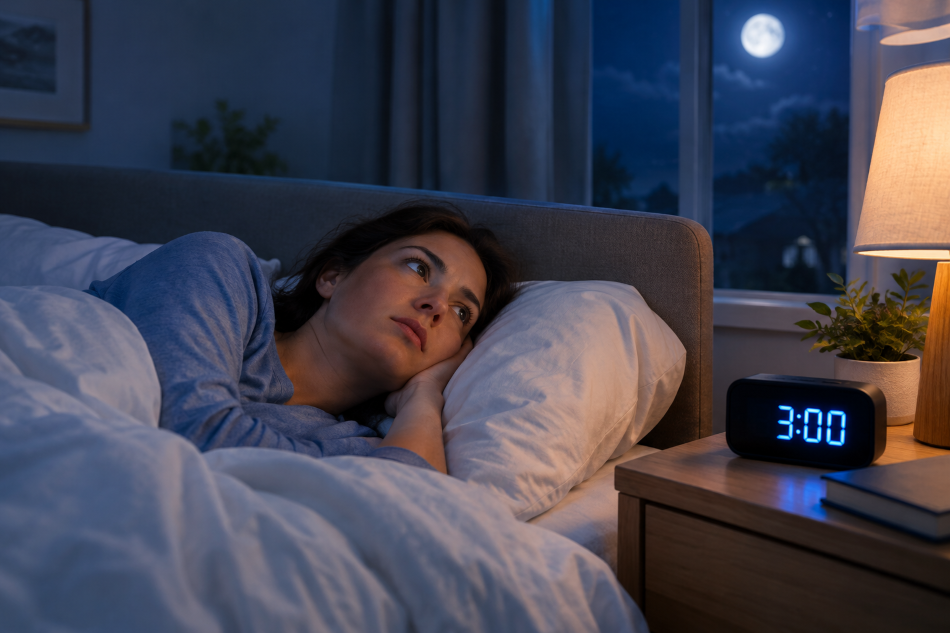
Have you ever gone to bed feeling exhausted, only to wake up at 3 AM and find yourself wide awake? You turn over, close your eyes and try to sleep again. Minutes pass, your mind starts wandering, and you begin wondering why this keeps happening.
For some people, this happens occasionally. For others, it becomes a frustrating pattern that leaves them tired, irritable and less alert the following day.
Waking during the night is not necessarily a sign that something is wrong. Sleep naturally moves through different stages, and brief awakenings can occur. The difficulty arises when you cannot return to sleep, wake repeatedly or feel unrefreshed during the day.
In this Sleep Wisdom guide, we explore why you might wake around 3 AM, what you can do when it happens, which products may help with environmental disturbances, and when professional advice is appropriate.
2. Why Do You Keep Waking Up at 3 AM?
There is no single explanation for waking at a particular hour. The causes can differ from person to person.
Stress and worrying thoughts
Stress is a common reason people struggle to return to sleep. You may wake briefly and immediately begin thinking about finances, family responsibilities, health concerns or the day ahead.
The more you worry about losing sleep, the more frustrated you may become. This can make relaxation difficult.
What may help: Spend 10 minutes earlier in the evening writing down your concerns and tomorrow’s tasks. You do not need to solve every problem at bedtime. Simply recording it may help you postpone worrying until a more suitable time.
Your natural sleep-wake rhythm
Your body has an internal clock that helps regulate when you feel sleepy and alert. Sleep also changes naturally throughout the night.
As morning approaches, sleep may become lighter, making awakenings more noticeable. If your bedtime, waking time or daily routine varies considerably, your sleep pattern may become less predictable.
What may help: Keep your waking time consistent, get natural daylight during the day and maintain a relaxing evening routine.
Age-related changes
As people grow older, sleep can become lighter, and they may wake more frequently. Some older adults also become sleepy earlier in the evening and wake earlier in the morning.
However, persistent sleep disruption should not automatically be dismissed as a normal part of ageing. Pain, medication effects, breathing disorders and other health conditions can also contribute.
What may help: Review your sleeping routine and discuss persistent changes with a healthcare professional, particularly if you feel tired during the day.
Caffeine, alcohol and late-evening habits
Coffee, tea, cola and other caffeinated drinks can interfere with sleep, sometimes many hours after consumption.
Alcohol may initially make you feel sleepy, but it can disrupt sleep later in the night. Heavy meals close to bedtime may also cause discomfort or aggravate acid reflux in some people.
What may help: Try avoiding caffeine for at least six to eight hours before bedtime, or earlier if you are sensitive to it. Limit alcohol, and allow enough time to digest a substantial evening meal.
Physical discomfort or a health condition
Pain, frequent urination, hot flashes, restless legs, breathing difficulties and certain medicines can interrupt sleep. Snoring accompanied by gasping or pauses in breathing may indicate obstructive sleep apnoea.
If you regularly wake to use the bathroom, or experience pain, reflux or breathing problems, consider discussing these symptoms with your doctor rather than simply treating the awakenings as a sleep-habit problem.
For reliable background information, consult the US National Heart, Lung, and Blood Institute’s guide to insomnia.
3. What Should You Do When You Wake Up at 3 AM?
The following steps may help you respond calmly instead of turning a brief awakening into a long, frustrating night.
Stop checking the clock
Looking at the time repeatedly can make you calculate how many hours remain before morning. That often increases anxiety.
Turn your clock away from view and avoid checking your phone. The aim is to remove the pressure to fall asleep immediately.
Keep the lights dim
Bright lights can signal alertness to your body. If you need to get out of bed, use gentle lighting and avoid scrolling through news, messages or social media.
Choose a quiet activity, such as reading a few pages of a printed book.
Try gentle relaxation
Breathe slowly and comfortably, relax your shoulders and release tension in your jaw and hands. You can also try a simple body scan, noticing different parts of your body without judging how you feel.
If your mind wanders, gently return your attention to your breathing. Do not treat the exercise as a test that you must pass to fall asleep.
Leave bed if you remain wide awake
If you have been awake for a while and feel increasingly frustrated, get out of bed if it is safe to do so. Sit somewhere comfortable and do something quiet in dim light.
Return to bed when you feel sleepy again. This approach is part of stimulus-control techniques used in cognitive behavioural therapy for insomnia (CBT-I).
Avoid trying to force sleep
You cannot command yourself to fall asleep. Instead, focus on creating conditions that allow sleep to return naturally.
Avoid experimenting with sleeping pills, alcohol or supplements in the middle of the night without appropriate medical guidance.
4. How Can You Reduce Night-Time Awakenings?
A few consistent daytime and evening habits may improve your sleep over time.
- Maintain a regular waking time. Try to get up at approximately the same time each day.
- Get daylight and exercise. Spend time outdoors and choose physical activity suitable for your health and abilities.
- Review daytime naps. Long or late naps may make night-time sleep more difficult for some people.
- Create a comfortable bedroom. Reduce unwanted light and noise, and maintain a comfortable temperature.
- Keep a sleep diary. Record bedtime, awakenings, caffeine intake, naps and how you feel the next day. Look for patterns over one or two weeks.
If night-time waking happens frequently and affects your daily life, ask your healthcare professional whether CBT-I or another assessment is appropriate. CBT-I is an evidence-based treatment for persistent insomnia.
More information is available from the NHLBI’s insomnia treatment guidance.
5. Useful Products That May Help
Products are optional. Consider them only if they address a specific problem in your sleeping environment.
Sleep mask: If outside lights disturb you, a comfortable mask may help reduce unwanted light.
Amazon search: Sleep mask
White-noise machine: Some people find steady background sound helpful when traffic or sudden noises interrupt their sleep. Keep the volume comfortable and discontinue use if it causes discomfort.
Amazon search: White-noise machine
Room-darkening curtains: These may help if streetlights or early morning sunlight enter your bedroom.
Amazon search: Room-darkening curtains
Choose products based on your needs, comfort, safety and budget. None of these products is a proven cure for insomnia or an underlying medical condition.
6. When Should You See a Doctor?
Seek professional advice if you repeatedly wake during the night, have difficulty returning to sleep, or feel that poor sleep is affecting your concentration, mood or daily activities.
Arrange an assessment if you experience loud snoring with gasping or pauses in breathing, persistent pain, frequent urination, or significant daytime sleepiness. Do not drive when you are too sleepy to do so safely.
A clinician can review your symptoms, medicines, health history and sleeping patterns to identify possible causes and discuss appropriate treatment.
7. Conclusion
Waking up at 3 AM can be frustrating, but the time itself does not reveal the cause. Stress, natural sleep changes, caffeine, alcohol, environmental disturbances and medical conditions can all contribute.
Begin by keeping a sleep diary, maintaining a regular waking time, reducing late-evening stimulation and responding calmly when you wake. Avoid putting pressure on yourself to fall asleep instantly.
If the problem persists or affects your daily life, seek professional advice. Better sleep often begins with understanding your individual pattern and addressing the factors that may be disturbing it.
At Sleep Wisdom, our goal is to help you make informed, practical decisions about your sleep—one step at a time.
8. Medical Disclaimer
This article is for general educational purposes only. It does not provide a diagnosis or replace advice, diagnosis or treatment from a qualified healthcare professional. Persistent sleep problems may have several causes and require individual assessment. Do not start, stop or change prescribed medicines or use sleep supplements based solely on this article.
9. Amazon Affiliate Disclosure
This blog contains Amazon product links. As an Amazon Associate I earn from qualifying purchases. If you purchase through qualifying affiliate links on this website, we may earn a commission at no additional cost to you. Product suggestions are provided for informational purposes and are not a substitute for professional medical advice. We encourage readers to compare products carefully and choose according to their needs.